Cross-Channel Marketing: Best Practices For 2025
16 MIN READ
AI · 13 Nov 2025 · 12 minExplore essential ethical AI frameworks for GCC businesses, focusing on compliance, transparency, and building consumer trust.

Want to ensure your AI systems are ethical and compliant in the GCC? Here's what you need to know:
Ethical AI is vital for businesses in the Gulf Cooperation Council (GCC) as AI adoption accelerates. Frameworks like Saudi Arabia's SDAIA Responsible AI Framework, the UAE National AI Strategy 2031, and Bahrain's AI Policy (2025) focus on transparency, data privacy, and accountability. These frameworks help businesses align with regional laws, address algorithmic bias, and build trust with consumers.
Key takeaways for businesses:
For UAE businesses, compliance with frameworks like the "UAI Mark" certification can enhance consumer trust while meeting regulatory requirements. These frameworks are essential for responsible AI use in marketing automation and beyond.
| Framework | Focus Areas | Ease of Implementation | GCC Relevance |
|---|---|---|---|
| UAE AI Strategy 2031 | Transparency, privacy, oversight | High | Very High |
| SDAIA Framework | Data protection, accountability | Moderate | Very High |
| Bahrain AI Policy | Compliance, public education | Moderate | High |
Next Steps: Conduct audits, train employees on AI ethics, and collaborate with regulators to stay updated. Ethical AI is not just a requirement - it’s a way to strengthen customer trust and drive responsible growth.
Ethical AI frameworks across the GCC establish clear principles for responsible marketing automation, focusing on data privacy, transparency, and fairness. Below are some key initiatives reflecting the region's commitment to aligning ethical AI practices with business objectives.
The SDAIA framework in Saudi Arabia requires transparent explanations for AI decisions, thorough audit trails, and regular algorithm assessments. For marketing teams, this means clearly explaining AI-driven strategies like customer targeting and campaign optimization. These measures not only build consumer trust but also ensure compliance with both local and global standards.
The UAE's strategy introduces the "UAI Mark" certification, which guarantees that AI solutions meet stringent criteria for data protection, transparency, and user rights. In marketing automation, this certification reassures businesses and consumers alike that AI-powered campaigns are held to rigorous ethical standards.
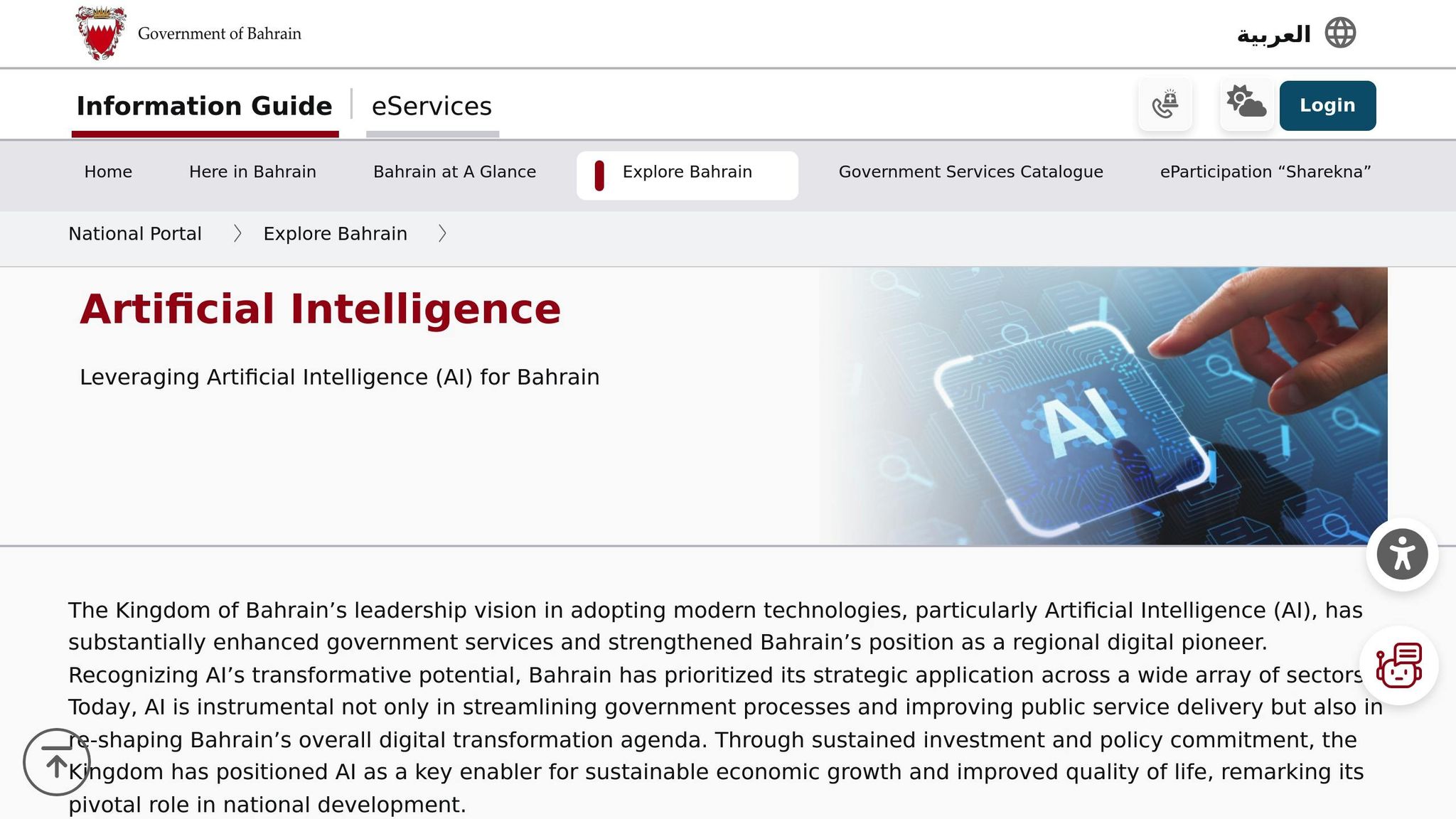
Bahrain's AI policy focuses on legal compliance, responsible AI usage, consumer education, and international collaboration. For marketing automation, this translates to adhering to data protection laws, maintaining transparency in how data is processed, and educating users about AI applications. By prioritising public education, the policy fosters a more informed consumer base, while its emphasis on global partnerships encourages unified ethical practices across GCC markets.
Regional efforts, such as the Ethical AI Charter and governance hubs, aim to standardize ethical AI practices across the GCC. These initiatives simplify compliance by offering unified guidelines that reflect shared regional values and legal frameworks. This approach helps businesses streamline their operations while maintaining robust ethical standards in marketing automation.
Ethical AI in marketing automation hinges on three key principles that play a crucial role in maintaining regulatory compliance and fostering digital trust across the GCC region. These principles ensure adherence to regional laws while nurturing the trust needed for sustainable digital growth.
Saudi Arabia's PDPL and the UAE Federal Data Protection Law require businesses to secure clear consent, protect data storage, and empower users with control over their personal information. For marketing automation systems, this translates into implementing strong consent management processes and limiting data collection to what's necessary for marketing purposes. Ignoring these regulations can lead to hefty fines and a loss of customer trust - both of which are costly for businesses. Beyond compliance, companies must also work to simplify and clarify AI processes for their users.
Transparency builds on the foundation of data security by ensuring that AI decisions are understandable and accountable. Explainable AI is a must for ethical marketing automation in the GCC. This means businesses should ensure that AI-driven decisions - especially in sensitive sectors like finance and healthcare - can be traced and explained to stakeholders. Customers should know how their data influences outcomes, whether it’s product recommendations or pricing adjustments. Internally, teams should have access to the logic behind AI decisions, and organizations must actively test and monitor algorithms for bias. Regular audits are crucial to prevent discriminatory patterns. An example of this is the UAE's "UAI Mark" certification, which recognizes companies committed to transparent data practices and ongoing algorithm evaluations.
Human oversight serves as the final pillar, grounding ethical AI in practical and operational realities. This principle ensures that AI systems support - not replace - human judgment, particularly in areas where customer relationships and brand reputation are at stake. Companies should establish review processes that allow humans to step in and override AI decisions for high-value clients or sensitive campaigns. Forming cross-functional governance committees and providing regular training ensures that AI systems evolve in alignment with company values and regulatory expectations.
To help businesses in the GCC adhere to these principles, companies like Wick offer integrated services that blend data analytics, AI-driven personalization, and marketing automation. By prioritising ethical data practices, these services create digital marketing ecosystems tailored to the region's unique requirements.
Ethical AI frameworks in the GCC region provide businesses with a dual advantage: they help meet local compliance standards while driving growth and advancements in marketing automation.
To choose the right framework, businesses must understand how the major GCC ethical AI frameworks differ. These frameworks vary in their principles, ease of implementation, and focus on regional compliance.
| Framework/Policy | Key Ethical Principles | Implementation Ease | GCC Relevance | Compliance Pathways |
|---|---|---|---|---|
| UAE National AI Strategy 2031 | Transparency, privacy, human oversight | High | Very High | National AI Office, UAI Mark |
| Saudi SDAIA Responsible AI Framework | Data protection, fairness, accountability | Moderate | Very High | SDAIA, Personal Data Protection Law |
| Bahrain National Policy on AI (2025) | Legal compliance, public education, international cooperation | Moderate | High | Data protection law, GCC charter |
| GCC-wide Ethical AI Charter | Privacy, fairness, transparency | Varies | High | Regional cooperation |
The UAE National AI Strategy 2031 stands out for its streamlined implementation process and its ambitious goal of contributing AED 335 billion to the economy through responsible AI adoption.
In Saudi Arabia, the SDAIA Responsible AI Framework places a strong emphasis on regulatory compliance, requiring businesses to conduct audits and maintain detailed documentation in line with the Personal Data Protection Law.
Bahrain’s National Policy on AI (2025) focuses on four core areas: legal compliance, responsible AI use, public education, and international collaboration. This framework is especially beneficial for smaller businesses, as it promotes phased adoption and encourages regional partnerships.
Adopting these frameworks can significantly boost trust among consumers, minimize reputational risks, and enhance marketing efforts by embedding transparency and fairness into AI-driven processes.
These frameworks give UAE businesses the tools to customize their AI systems to align with local needs and expectations.
For UAE businesses, adapting ethical AI frameworks requires aligning with technical, regulatory, and cultural specifics.
To ensure compliance and maintain ethical standards, businesses should focus on the following:
UAE and Saudi firms in sectors like retail and financial services have already demonstrated the potential of ethical AI. By conducting regular audits, ensuring transparent consent mechanisms, and adhering to national frameworks, these companies have seen measurable improvements in customer engagement and satisfaction.
Turning ethical principles into actionable steps requires a well-structured plan that addresses both technical and organisational challenges. For businesses across the GCC, this means crafting clear roadmaps to integrate ethical AI frameworks into marketing automation systems while ensuring compliance with local regulations.
Start by reviewing your existing AI systems and data practices to identify any compliance gaps with UAE and Saudi data protection laws. This evaluation should include an in-depth look at data flows, how AI models make decisions, and the privacy controls already in place.
On the technical side, tools like data anonymisation, bias detection, and explainable AI are essential for safeguarding privacy and ensuring transparency in automated decision-making. Additionally, configure systems to align with local preferences, such as AED currency formatting (AED 1,234.56), DD/MM/YYYY date formats, and bilingual communication options when needed.
To further enhance transparency, document and share AI model logic using tools like dashboards and decision trees. These resources can help both internal teams and customers understand how automated decisions are made, building trust and clarity.
Strong governance is the backbone of ethical AI. Start by creating internal AI ethics charters to guide all AI-related activities. Complement this with dedicated ethics committees to oversee decisions and ensure ongoing accountability.
Regular audits are crucial for detecting biases, verifying fairness, and maintaining data privacy. These audits help uncover and address algorithmic biases early, preventing negative impacts on customer experiences and business outcomes.
Training programs should extend beyond technical teams to include all employees who interact with AI systems. These sessions should cover data privacy, bias mitigation, transparency, and compliance with local regulations. Incorporating case studies and practical exercises can deepen understanding and prepare teams to handle real-world AI challenges.
Collaboration with external stakeholders, such as regulators, industry groups, and academic institutions, can further strengthen governance. This approach is particularly valuable in the GCC, where regulatory frameworks are still evolving.
To address ethical concerns proactively, implement monitoring and response systems. Regularly review data flows and usage patterns to detect unauthorised access or potential misuse of sensitive information. These systems should include clear protocols for escalation and resolution, ensuring compliance with regional data protection laws.

With governance in place, Wick's Four Pillar Framework offers a structured approach to embedding ethical AI into GCC marketing automation strategies. This framework integrates key areas like website development, SEO, content creation, social media management, marketing automation, data analytics, and AI-driven personalization into a unified digital ecosystem.
The Build & Fill pillar focuses on laying a solid ethical foundation. This includes privacy-by-design principles in website development and ensuring content creation and social media campaigns respect local regulations and cultural norms. Transparent data collection and clear user consent mechanisms are central to this stage.
Plan & Promote activities incorporate ethical AI principles into SEO and advertising efforts. AI-driven tools for keyword research and audience targeting are equipped with bias detection and fairness checks. Influencer marketing guidelines ensure transparency when AI is used in content creation.
The Capture & Store pillar prioritizes responsible data handling. Analytics systems should include privacy controls and anonymisation features, while customer journey mapping must respect user preferences and consent. This approach aligns with the UAE's Federal Data Protection Law and similar regulations in the region.
Finally, Tailor & Automate represents the peak of ethical AI integration. Marketing automation systems should feature explainable AI capabilities that help customers understand why they’re receiving specific offers or communications. Personalization efforts should include opt-out options and clear disclosures about data usage.
Wick's framework also emphasizes ongoing monitoring for bias and privacy risks, ensuring that ethical AI practices lead to sustainable and responsible business growth. Its adaptable design allows for alignment with GCC-specific needs, including regional regulations and cultural values. Regular updates ensure these practices evolve alongside changing customer expectations and legal requirements.
The GCC is at the forefront of a global shift in AI, setting benchmarks in marketing automation through forward-thinking strategies and policies.
Achieving success with ethical AI demands a systematic approach and a long-term commitment. Businesses in the GCC must align with national initiatives that prioritize responsible innovation and data protection to build and maintain customer trust.
Strong governance is the backbone of ethical AI. Companies need to establish cross-functional AI ethics committees, conduct regular audits, and integrate ethical considerations into every stage of the AI lifecycle. These steps are vital for sustainable growth and to avoid regulatory challenges. Transparency and human oversight in AI-driven marketing automation are not just best practices - they're essential for staying ahead.
The economic potential is immense. The UAE, for instance, aims to add AED 335 billion to its economy through AI by 2031. This underscores how adopting ethical AI practices can directly influence business performance. Initiatives like the UAE's "UAI Mark" certification show that meeting ethical standards can be a competitive advantage rather than just a compliance requirement.
To make this vision a reality, businesses must take concrete steps: create internal AI ethics charters, conduct regular audits, train employees on AI ethics across all departments, and maintain open communication with regulators and industry groups to stay updated on evolving requirements. Additionally, marketing automation systems must prioritize transparent data practices that respect user preferences and consent.
As these principles take root, businesses must also prepare for emerging trends and challenges in AI governance.
The rapid evolution of AI regulations across GCC countries presents both opportunities and complexities for businesses operating in multiple markets. Bahrain's 2025 AI policy, which includes a GCC-wide ethical AI charter, is a prime example of the region's commitment to privacy, fairness, and transparency.
The demand for expertise in AI governance is growing as companies focus on deploying ethical AI. While this trend highlights the importance of AI ethics, it also reveals a talent gap that businesses must address through targeted recruitment and training programs.
The push for explainable and auditable AI systems is reshaping the way marketing automation tools are developed and deployed. Both customers and regulators now expect AI systems to provide clear explanations for their decisions, prompting businesses to invest in tools that can meet these expectations.
Collaboration between public and private sectors, as well as international partnerships, is crucial for aligning AI development with societal values. Initiatives like Saudi Arabia's Human Capability Development Program and AI ethics-focused university courses demonstrate how the region is fostering sustainable AI ecosystems.
However, challenges remain. Businesses must tackle algorithmic bias, navigate shifting regulations, and find the right balance between innovation and ethical safeguards to maintain public trust. Companies that proactively address these issues through ongoing education, collaboration with stakeholders, and flexible governance structures will be better positioned for long-term success.
To align with ethical AI frameworks and comply with GCC regulations, businesses should start by understanding the region's AI-specific guidelines, such as the UAE's Artificial Intelligence Ethics Guidelines. These guidelines typically highlight the importance of transparency, privacy, and accountability in AI-powered operations.
Companies can also incorporate ethical AI principles into their marketing automation efforts by focusing on data security and ensuring user consent is a top priority. Collaborating with AI marketing specialists who design frameworks tailored for GCC businesses can further support the development of responsible and regulation-compliant AI solutions that respect both local norms and legal requirements.
To ensure AI systems operate responsibly in the GCC region, businesses should prioritize human oversight at key stages of AI development, implementation, and monitoring. This means designating teams to consistently evaluate AI decisions, verifying they adhere to ethical standards and align with company values.
Equally important is the creation of robust governance frameworks. These frameworks should clearly outline roles and responsibilities for managing AI operations. Regular audits and open reporting practices can strengthen accountability, helping AI systems stay fair, compliant, and respectful of the region’s cultural norms.
The 'UAI Mark' certification serves as an important benchmark for ethical AI practices in the UAE. It ensures that businesses comply with local regulations and reflect the region's cultural values. For companies leveraging AI in marketing automation, this certification goes a long way in building customer trust by highlighting their dedication to transparency, fairness, and responsible data handling.
Beyond trust, earning the 'UAI Mark' can elevate a company's standing in the competitive GCC market. It signals a commitment to high standards and paves the way for growth by integrating AI in a responsible and ethical manner.
16 MIN READ
14 MIN READ
11 MIN READ
What worked, what didn't, and what we're building next - no noise, unsubscribe anytime.